
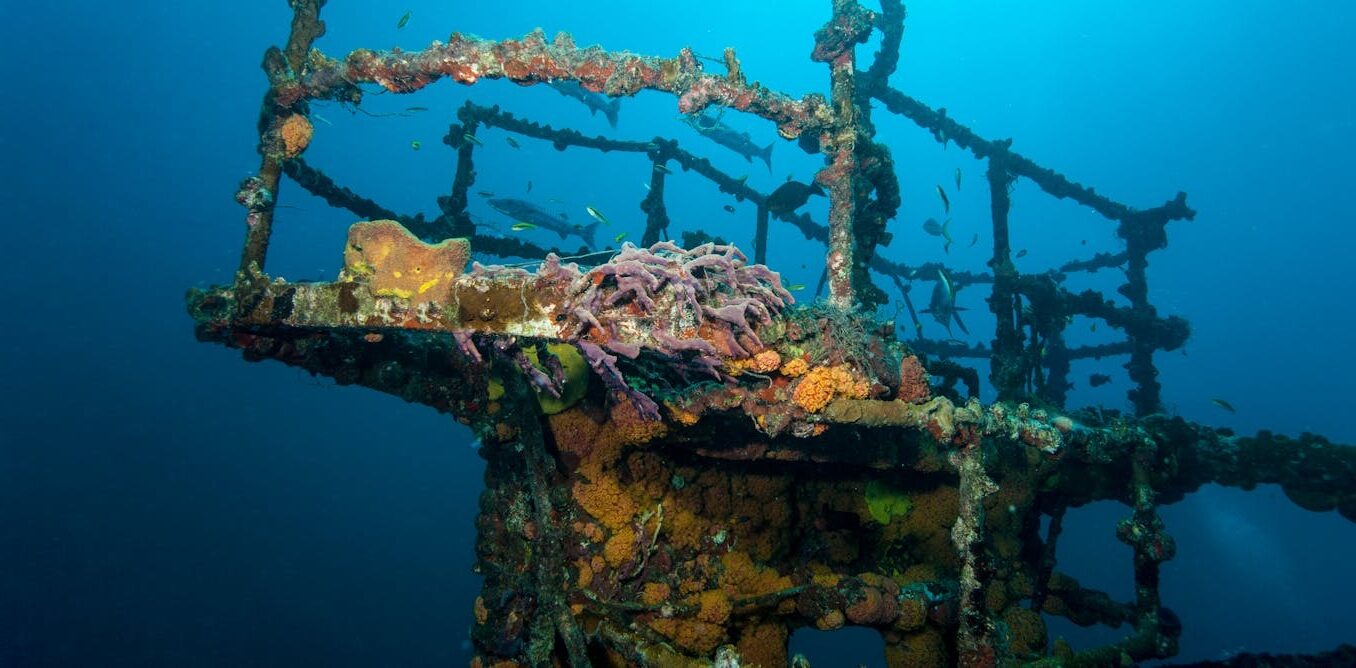
She once sliced the Atlantic into clockwork segments, a breathless sprint from dawn to dusk. Now the city is preparing for her final voyage, a measured descent into blue. Welds that once trembled at 35 knots will soon quiet under forests of coral and light. It’s not an ending her builders imagined, but it may be the only one that lets time be kind.
You can still smell the stories in the paint: salt, diesel, the faint ghost of champagne. Retired stewards talk about door handles polished by a thousand gloved hands, carpets that learned to hold their breath through every storm. “On a calm day she didn’t cut waves,” a former radio officer told me. “She ironed them.”
A legend built for speed
She was born into the jet age before planes truly conquered it, a steel rebuttal to distance. Every line was a decision about drag. Every rivet a promise that the ocean wouldn’t win.
In her prime, the ocean never did. Records fell behind her like spray. Newspapers called her a greyhound. Children pressed their noses to windows just to watch the wake rearrange itself into ribbons. “You could feel purpose humming through the floor,” said one passenger who crossed as a teenager. “It was like standing inside a heartbeat.”
The years, however, moved faster than any ship. New routes eclipsed the old. Speed left the sea for the sky, and the champion drifted into the eddies of nostalgia and cost.
Why sink a legend?
The answer is both practical and tender. Preservation is expensive, and salt is patient. An artificial reef offers another kind of afterlife—one that trades velvet lounges for seagrass and brass for barnacles.
– It creates complex habitat for fish and corals, easing pressure on natural reefs while jumpstarting biodiversity and local economies through diving tourism.
Marine biologists favor the plan, cautiously. Clean the vessel thoroughly. Strip asbestos and oils. Drill generous swim-throughs. “Done right,” a researcher told me, “it becomes a cathedral for plankton to apex predators. Done wrong, it’s just litter with a pedigree.”
City officials are frank. “We can’t keep her above water with sentiment alone,” the harbormaster said. “Below, she’ll work again—for the bay, for the fish, for people who make a living on clear water.”
Engineering a safe descent
Turning a thoroughbred into a reef is less a funeral than a choreography. Teams map the hull in millimeters. Toxic residues go. Loose wiring, gone. Doors are removed or welded open so divers don’t meet dead ends. Air pockets are hunted down because trapped buoyancy can flip a sinking ship.
Naval architects argue amiably over the final posture: port list to create shadow refuges, or a proud, even keel? The latest thinking says a gentle tilt. More niches. Better light play.
On the appointed morning, tugs will nudge her into position over a sandy plain, far from natural corals. Charges are placed, small and specific, more whisper than thunder. GPS buoys blink. The sea holds its breath. “When she settles,” the lead engineer said, “we want dust, not drama.”
What remains above
Not all of her is headed for the seafloor. Museums have quietly claimed what tells the clearest stories: a compass that still remembers north, a dinner menu foxed by time, a bridge chair polished by anxious captains. These fragments seed exhibitions and living rooms, where grandchildren will ask why ships once needed so many clocks.
The community, too, is making room. Divers volunteer as docents. Schools schedule field trips to the quay to sketch her lines before they vanish. “We’re not discarding her,” said a preservationist who fought for years to keep the lights on. “We’re turning the page without tearing it.”
A new life below the thermocline
Life arrives in a patient parade. First the slicks: bacteria, algae, early films of green and brown. Then the invertebrates—tunicates, bryozoans, shy anemones testing the steel. Coral, if the water is kind. Shoals will discover the structure the way a rumor spreads.
Barracuda will learn the railings. Groupers will annex stairwells. In summer, light will pour through portholes in cathedral shafts, and photographers will choreograph their bubbles. “We’ll brief it like any wreck,” a dive guide said. “But it won’t feel like wreck diving. More like visiting a city with the roof thrown open.”
In winter, storms will drum on the skin that once outran them. Her steel will soften into habitat. The language of speed will translate into shelter and shade.
The day the horns fall silent
There will be speeches, of course. More salt in the eyes than on the wind. Someone will read out the distances she conquered, the seasons she bridged, the dances, the foghorns, the telegrams that arrived with exclamation points.
Then the horns will call once, twice, a third time, and the tugs will lean away. A gull will misjudge its landing and pivot airily, offended. The sea will lift her, accept her, and let gravity decide the rest.
“This isn’t sinking,” the old radio officer told me as we watched crews coil the last of the rope. “It’s a handover.”
And when the bubbles thin and the silt settles, a new map will appear on the charts: a rectangle of promise on the seafloor. Divers will mark it with stars. Fish will find corridors where once there were corridors for people. The past will keep working, just not in the way we expected—its engines finally quiet, its purpose newly loud.
